Multistage reciprocating compression is used when a process requires a pressure increase that is better handled across several stages than in one cylinder. Between stages, gas is often cooled before it enters the next cylinder. This interstage cooling changes the temperature and density of the gas entering the next stage, and it can also cause some constituents to condense if the gas composition and pressure-temperature conditions permit it.
Cooling and condensate management should therefore be considered together. A cooler is not simply an accessory that lowers temperature: its performance affects downstream compression conditions, while any liquid formed must be separated and drained in a way that is appropriate for the process. The actual design depends on the gas mixture, operating envelope, required discharge conditions and project specifications.
Why Interstage Cooling Matters in Multistage Compression
During compression, work is added to the gas and its temperature generally rises. Dividing the overall pressure increase among multiple stages can help manage the temperature and mechanical duty of each stage. An intercooler removes heat from the gas after one stage and before the next, reducing the temperature at the following stage inlet when the system is operating as intended.
Cooling also affects gas density. At a given pressure, cooler gas is generally denser than warmer gas. This changes the mass of gas that can occupy a given cylinder volume, so the inlet condition to each stage matters when the machine is matched to the required flow. The effect must be evaluated with the actual gas properties and operating pressures rather than treated as a universal capacity increase.
Interstage equipment may include a cooler, connecting piping, instrumentation, a separator and a drain arrangement, depending on the process. Pressure loss through these components also matters. A cooler that provides heat removal but introduces excessive pressure drop may change the conditions expected at the next stage. The design objective is therefore a balanced system: suitable temperature control, acceptable pressure loss, reliable liquid handling and maintainable equipment.
How Cooling Changes Gas Temperature and Compression Duty
The outlet temperature from a compression stage depends on the inlet state, pressure ratio, gas properties, compressor performance and heat-transfer behavior. Interstage cooling then establishes a new inlet condition for the next stage. If cooling performance changes because of fouling, reduced cooling-medium flow, a higher ambient temperature or a process change, the downstream stage may receive gas at a different temperature than originally expected.
That shift can affect density, volumetric flow at the stage inlet and the work required for subsequent compression. It may also alter discharge temperature and the operating margin available under the project's specified conditions. Engineers should evaluate each stage as part of the full train, because the stages are connected thermodynamically and through their pressure balance.
A practical review compares design and actual values at equivalent operating cases. Relevant information can include gas composition, suction pressure and temperature, interstage pressure and temperature, cooling-medium conditions, required flow and final discharge pressure. The data should use clear units and reference conditions. A temperature reading alone cannot establish that the cooler is underperforming; it needs to be interpreted alongside load, pressure, cooling-medium conditions and instrument reliability.
Cooling requirements may vary across operating cases. Start-up, turndown, changing feed composition and seasonal changes can produce conditions different from the normal design point. A system should be assessed across the expected operating envelope rather than only at one rated condition. Where design curves or process calculations are unavailable, the article should not claim a quantified improvement in efficiency or capacity.
When Condensate Forms Between Compression Stages
Whether condensate forms depends on the gas mixture and its pressure-temperature path. A gas stream may contain water vapor or heavier components that can reach a dew point as pressure and temperature change. If the gas is cooled below the relevant dew point at the prevailing pressure and composition, some of the vapor may condense. Other process gases may behave differently, so the presence and quantity of condensate must be established from the actual gas analysis and process conditions.
This distinction is important because cooling does not always produce a liquid phase, and not all condensate has the same composition or handling requirements. Water, hydrocarbon liquids and other condensed constituents can have different materials-compatibility, corrosion, disposal and process-safety implications. The system design should be based on the expected liquid properties, not on the assumption that all collected liquid is ordinary water.
Condensate formation can also change with operating conditions. A feed composition shift, lower cooler outlet temperature or different interstage pressure may move the process across a dew-point boundary. For that reason, condensate management should be considered for both normal operation and credible variations. If liquid is observed unexpectedly, the investigation should verify the process data, cooler performance, separator operation and drain function before assigning a single cause.
Interstage Separation and Liquid Carryover Protection
Where condensation is expected or possible, an interstage separator can collect liquid before the gas enters the next compression stage. The separator and drain system must be suitable for the expected gas flow, liquid load, pressure and process fluid. Specific sizing and configuration require engineering calculations and project data; a generic article cannot establish a universal separator size or drain interval.
Reliable liquid removal depends on more than installing a vessel. The inlet arrangement, separation mechanism, level detection where fitted, drain design and operating procedures all influence performance. A drain that is blocked, incorrectly operated or unsuitable for the process can allow liquid to accumulate. Conversely, an inappropriate drain arrangement may introduce operational or safety concerns. The correct design should follow the process requirements and applicable site standards.
Preventing liquid carryover is particularly important before a reciprocating cylinder. Liquids are far less compressible than gases, so an unexpected liquid volume can create abnormal mechanical loading and may damage valves or other cylinder components. The risk depends on the quantity and location of liquid, compressor design and operating state. A separator is a protective measure, not proof that liquid cannot reach the cylinder; monitoring and maintenance remain necessary.
Inspection should consider the separator, drains, level instruments, cooler condition and piping layout as one system. Operating records should note unusual liquid volumes, recurring drain issues, changes in gas composition and temperature excursions. If carryover occurs, simply draining the vessel may restore operation temporarily without resolving the cause. The underlying source and the effectiveness of the separation arrangement should be reviewed.
Balancing Cooling, Pressure Loss and System Complexity
More cooling is not automatically better in every situation. The required outlet temperature depends on gas properties, the potential for condensation, materials, process requirements and the downstream stage's design conditions. Lower temperatures may increase condensation of certain constituents and therefore increase the need for separation and liquid handling. Cooling equipment also adds pressure drop, footprint, piping, instrumentation and maintenance tasks.
The engineering decision is a balance among thermal performance, pressure loss, liquid management, reliability and lifecycle needs. The system should provide an appropriate next-stage inlet condition while avoiding unnecessary complexity. A change in cooler duty or separator arrangement should be reviewed in the context of the complete compression train, not as an isolated component substitution.
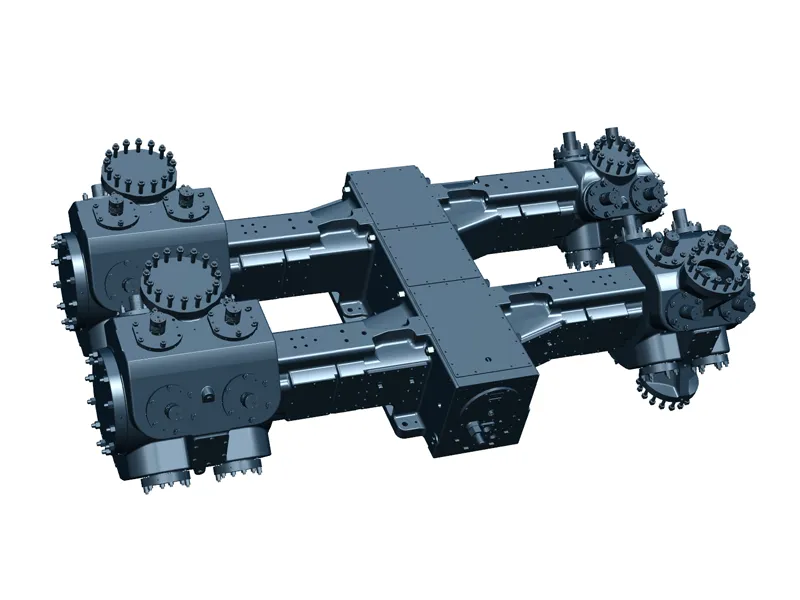
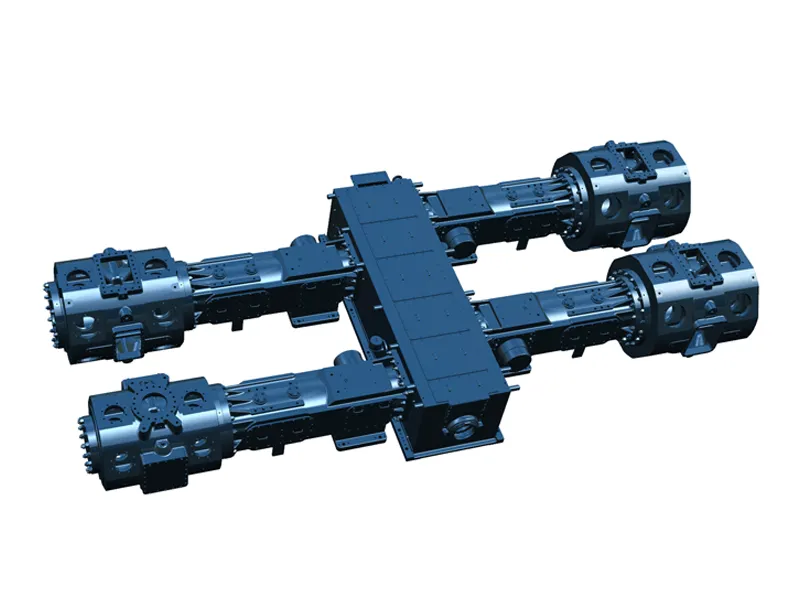
For a process reciprocating compressor, the required configuration is specific to the gas and duty. QualRotate's process reciprocating compressor page is the relevant product reference for process-duty applications. Where the installation is supplied as a package, the skid-mounted compressor package page provides context for how the compressor and auxiliary systems may be integrated. These pages should be reviewed alongside project-specific process data and engineering requirements.
Frequently Asked Questions
What is the purpose of interstage cooling in a reciprocating compressor?
Interstage cooling removes heat between compression stages and reduces the gas temperature entering the next stage. It can affect gas density and subsequent-stage duty, but the actual impact depends on gas properties, pressure and the cooler's performance.
Does interstage cooling always produce condensate?
No. Condensation occurs only when the gas composition and pressure-temperature conditions permit a constituent to reach its dew point. Gas analysis and process calculations are needed to determine whether liquid is expected.
Why is a separator installed between compressor stages?
A separator collects liquid that forms or is carried with the gas before it reaches the next stage. Its configuration and sizing depend on flow, pressure, liquid properties and project requirements.
What happens if liquid enters a reciprocating compressor cylinder?
Liquid can create abnormal mechanical loading because it is much less compressible than gas. Depending on the amount and operating conditions, it may damage valves or other cylinder components.
Can excessive cooling cause problems?
It can change the amount of condensate formed and increase separation and drainage requirements. Cooling equipment can also introduce pressure loss and additional maintenance, so the target temperature should be selected for the actual process.
What information is needed to assess interstage cooling?
Engineers typically need gas composition, flow, stage pressures and temperatures, cooling-medium conditions, final discharge requirements and expected operating variations. The required detail depends on the project and should be confirmed by the responsible engineering team.

 English
 中文