In compressor engineering, reliability is the ability of equipment to operate stably over the long term under actual process conditions. It is reflected not only in the stability of performance, structure, and system behavior, but also in the consistency of the entire path from design to manufacturing and validation. At QualRotate, reliability is built on a complete engineering chain: technology defines the design and operating boundaries, supply ensures stable inputs, process control keeps execution consistent, and the quality system verifies and confirms the result. Only when these stages connect coherently can the foundation for long-term stable operation be truly established.
Innovative Technologies for Long-Term Reliability
Long-term reliability depends first and foremost on the completeness of the engineering framework. For compressors, aerodynamic performance, structural strength, vibration behavior, sealing performance, and adaptability to operating conditions are never isolated factors. They remain interconnected throughout long-term operation. QualRotate integrates these key factors into a single engineering framework, so that reliability is established from the beginning on a foundation that is calculable, verifiable, and continuously improvable.
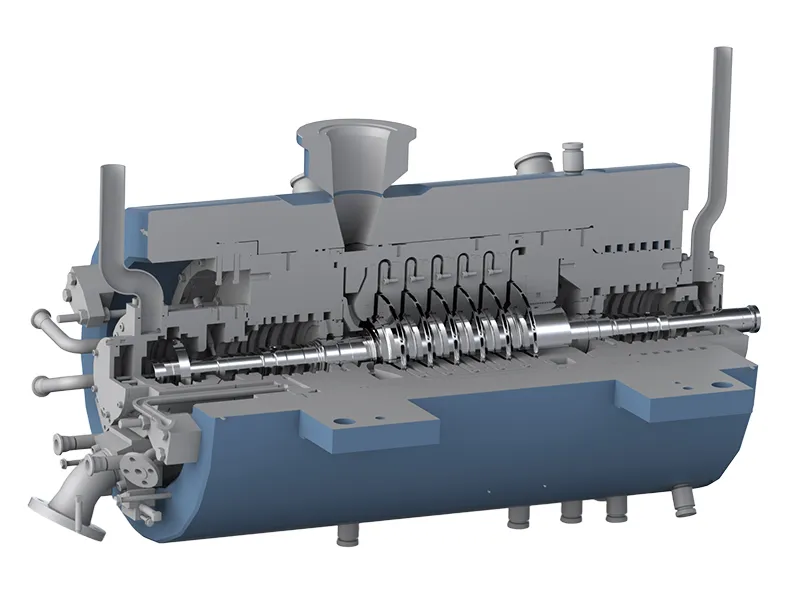
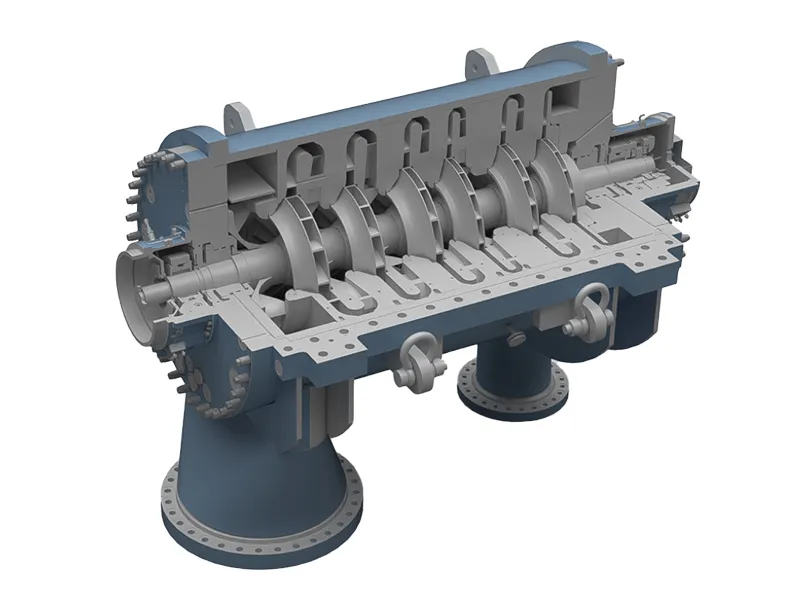
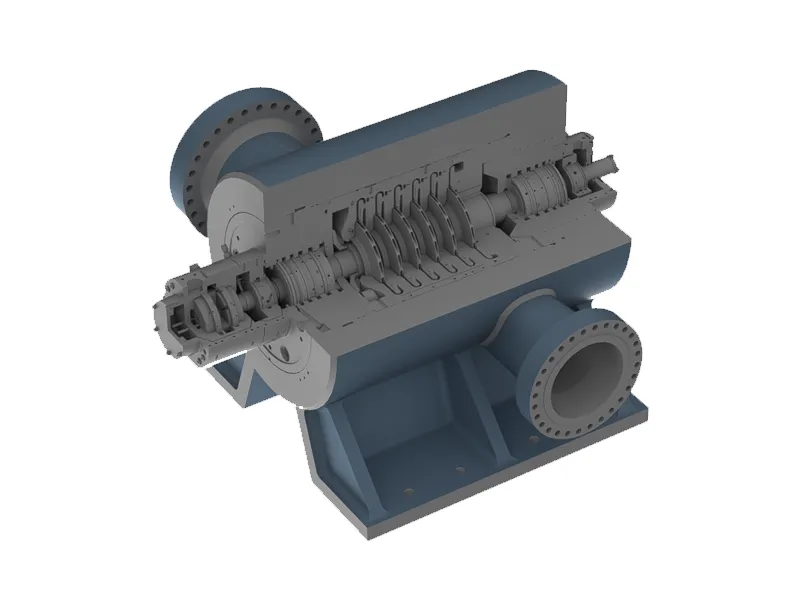
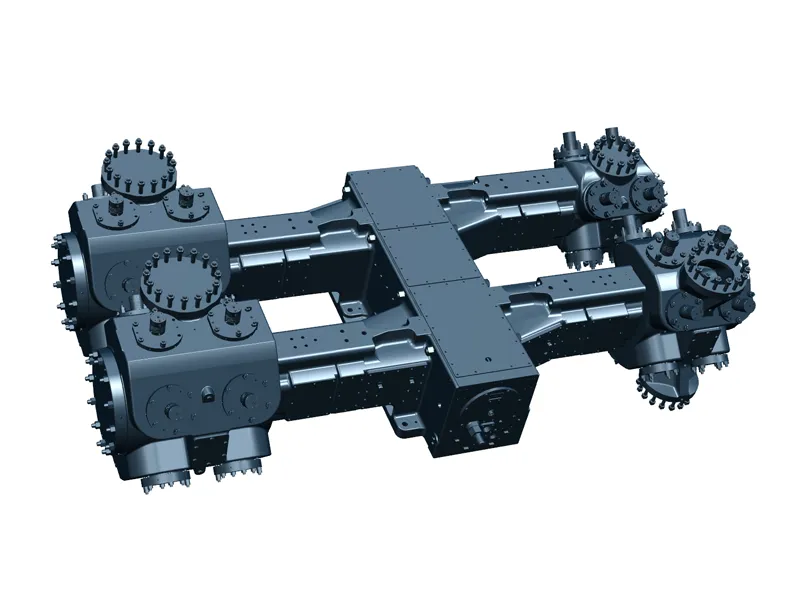
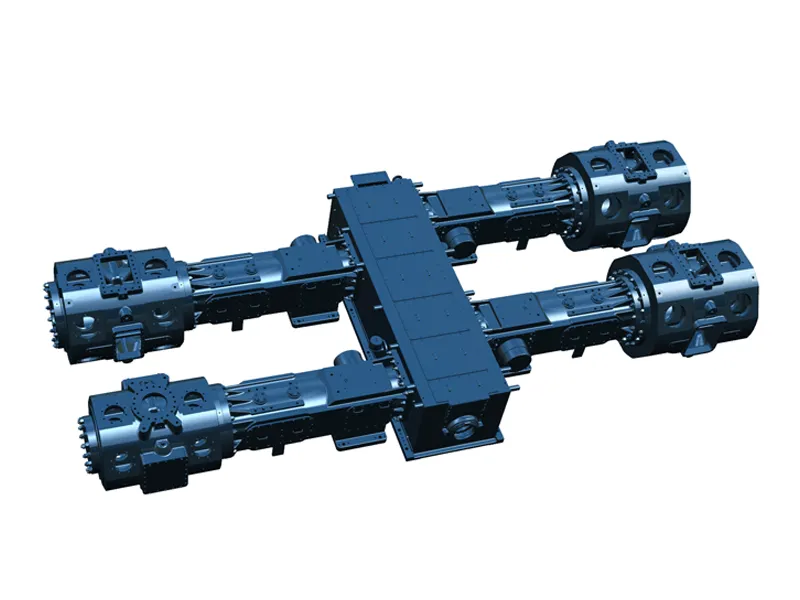
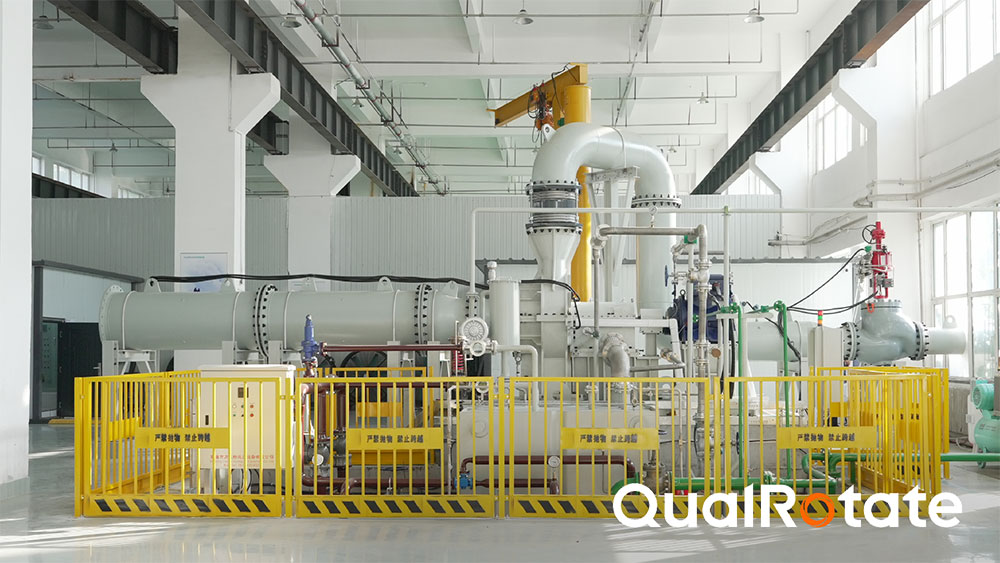
To address different operating requirements, QualRotate has developed a technical system for centrifugal compressors that supports a wide range of applications, allowing targeted design and engineering solutions for different pressure levels and flow demands. On this basis, aerodynamic design, structural analysis, and rotor dynamics are brought into the same framework. Through calculation, analysis, validation, and strength assessment, both performance and structural integrity are ensured. This technical system allows pressure, flow, speed, vibration, sealing, and efficiency to be considered together, so that performance, structural, and operating boundaries can be clearly defined at the scheme stage. For long-term reliability, this step determines the fundamental operating condition of the equipment.
R&D investment is also an important support for the continued operation of this technical system. QualRotate invests 10% of its annual sales revenue in R&D, with a focus on design tools, model-stage libraries, and testing platforms. The existing aerodynamic model-stage test rig has obtained CNAS accreditation and provides industry-leading integrated testing capability, covering the key operating range of centrifugal compressors and providing reliable support for design validation. On this basis, QualRotate continuously improves the technical loop of design, validation, and application through ongoing engineering practice and technical accumulation, further strengthening long-term product reliability.
Strict Supplier Audit
The second layer of reliability control is ensuring stable input quality. Compressors place high demands on material properties and condition, the precision of critical components, manufacturing consistency, and process records. The quality of raw materials, forgings, and weldments, the manufacturing level of critical outsourced components, and the traceability of inspection records can all be progressively amplified through manufacturing, assembly, testing, and operation. The core task of supply-side review is therefore to identify risks in advance and prevent them from entering the main production flow.
Within QualRotate’s reliability system, supplier management focuses on keeping the quality of incoming materials and components stable and controllable. To achieve this, QualRotate has established multiple control points across the supply chain, including supplier qualification and capability review, material testing, supplier grading management, pre-shipment inspection, incoming verification, non-conformance report (NCR) closure, and non-destructive testing (NDT). Through these measures, quality risks are controlled as far forward as possible before manufacturing begins. This process does not affect only one isolated step. It directly influences whether subsequent manufacturing, assembly, and testing can proceed on a stable basis. In compressor engineering, only when input quality is stable can overall production reliability be sustained.

Process Control in Engineering Design and Manufacturing
Process control runs through both engineering design and manufacturing. Its core purpose is to ensure consistent execution and controlled progression at every stage, preventing design intent from being weakened during implementation because of information gaps or disconnection.
At the engineering design stage, QualRotate uses a Product Lifecycle Management (PLM) system to manage design data, version status, and engineering changes in a unified way, ensuring that all disciplines work from the same data basis. At the same time, a strict engineering change process is in place so that all design adjustments are made under control and overall design consistency is maintained.
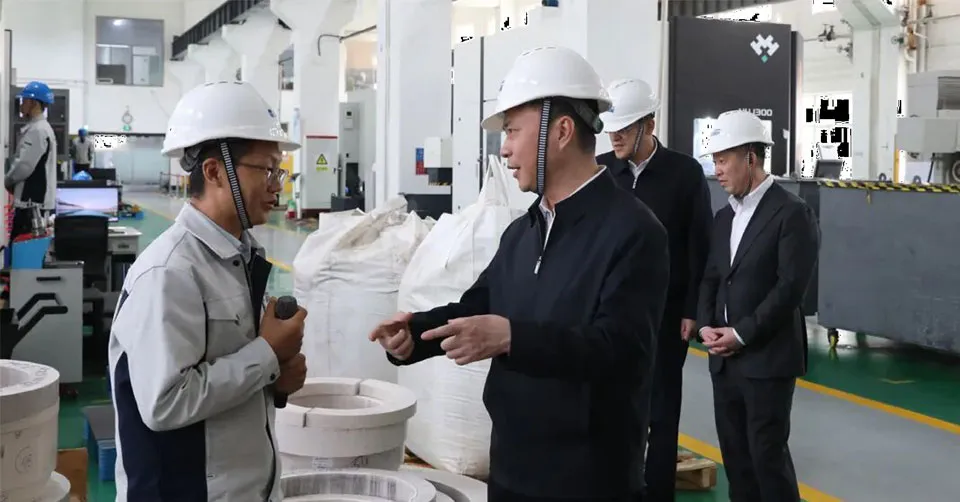
At the manufacturing stage, process control is executed on site according to process requirements. Critical operations advance under defined procedures, while quality control engineers participate in witness points and key-stage confirmation to ensure that every activity is carried out according to the specified standard.
Through process control at both the design and manufacturing levels, QualRotate keeps the entire path from engineering definition to execution under control, laying a stable foundation for subsequent compressor performance and reliability.
Quality Inspection and Validation System
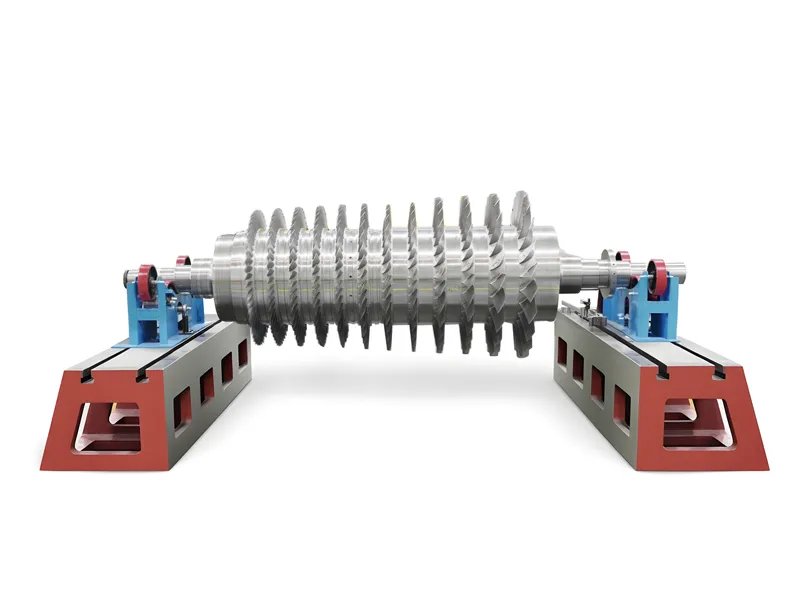
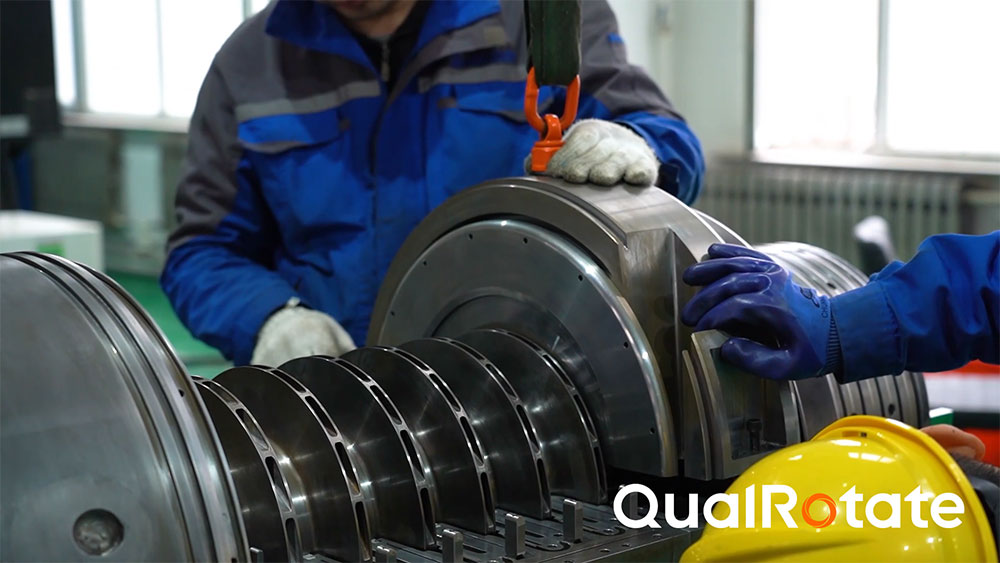
The core of the quality inspection system is layered confirmation of engineering results, ensuring that the outputs of each stage meet design and operating requirements. Inspection objects cover materials, components, rotors, complete units, and system-level behavior, forming a complete validation chain from single part to complete unit.
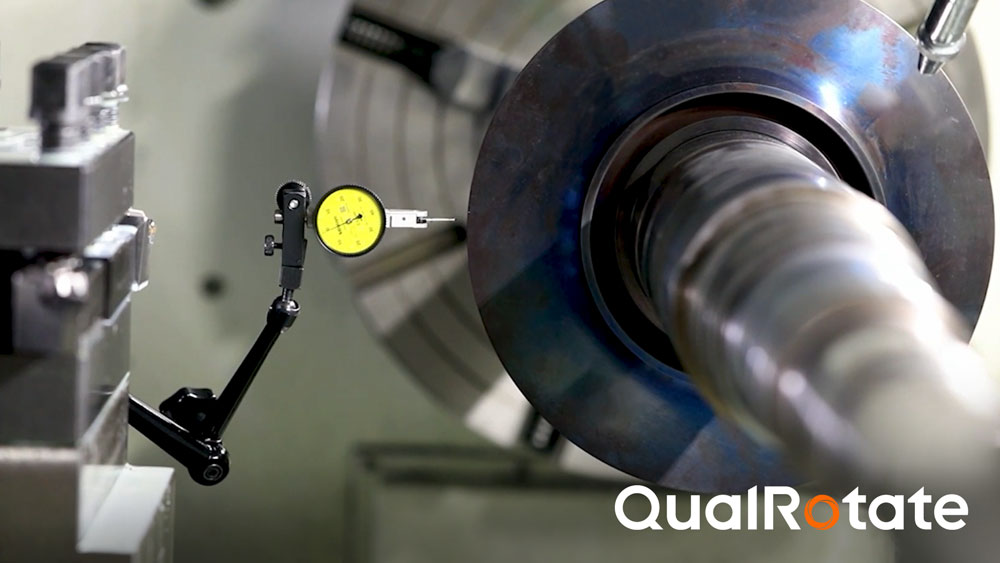
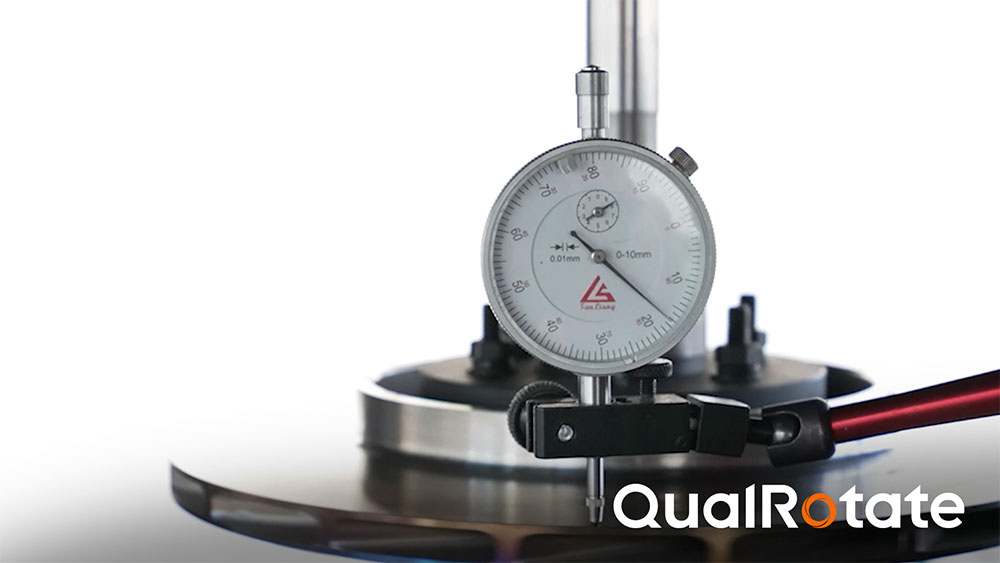
In practice, QualRotate performs systematic verification based on the Inspection and Test Plan (ITP), covering material performance, dimensional accuracy, non-destructive testing, balancing, sealing performance, and overall unit performance. The main methods include NDT, dimensional inspection, physical and chemical property testing, welding procedure qualification record (WPQR), leakage testing, overspeed testing, balancing tests, performance tests, and system-level tests.
Through this system, the requirements formed by front-end design, supply control, and process control can be verified and confirmed item by item before delivery, ensuring that the equipment enters operation with clear and reliable engineering evidence.
QualRotate’s understanding of reliability comes from a complete view of the engineering chain. Innovative technologies for long-term reliability establish the technical foundation. Strict supplier audit secures stable inputs. Process control ensures consistency throughout execution. The quality inspection and validation system provides final confirmation. These stages connect and advance layer by layer, together determining the condition of the equipment after it enters the system and the basis for long-term operation. In compressor engineering, reliability is only truly achieved when the entire engineering chain functions as a closed loop.[Contact Us]

 CN
CN