In offshore oil and gas engineering, long-term operation is a core requirement in most application scenarios and a basic premise for equipment performance. The differences among various types of offshore oil and gas production facilities are reflected more in whether the system has the ability to periodically respond to changes that arise during operation, and in how that capability is realized in engineering practice.
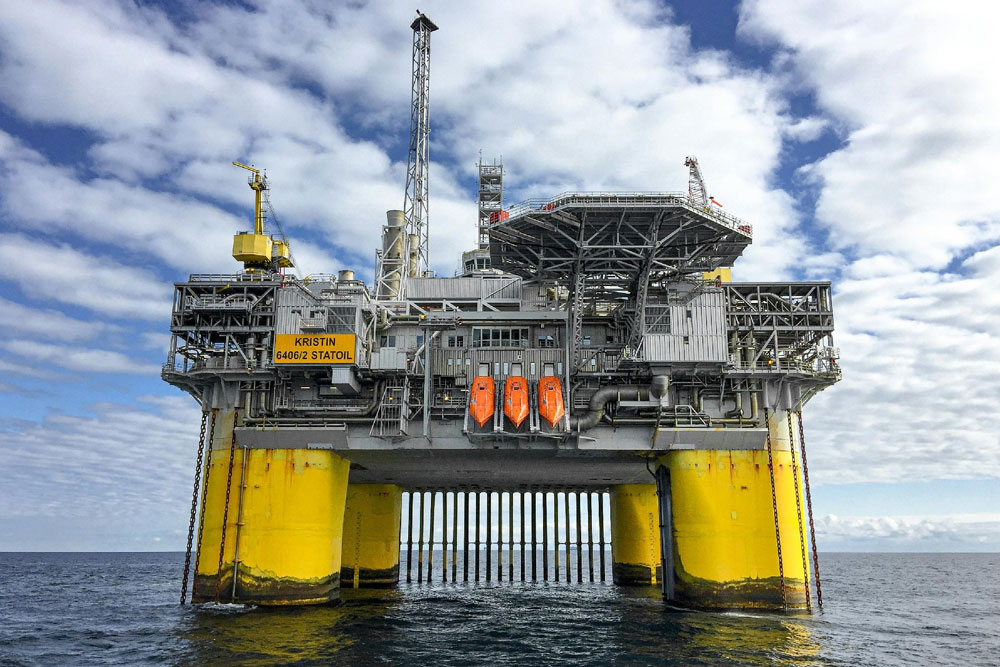
In FPSO projects, long-term operation is often divided into multiple phases. Equipment condition can be addressed periodically through relocation, centralized maintenance, or module replacement. Because the facility is mobile, shutdowns and maintenance can be incorporated into the overall operating rhythm and become a planned engineering measure. In FLNG projects, opportunities for intervention during operation are also limited, so more issues tend to be addressed in advance during the design stage. Through long-duration operating validation, system-level testing, and rigorous design reviews, potentially unacceptable operating conditions are identified and mitigated as early as possible, reducing uncertainty during later operation.
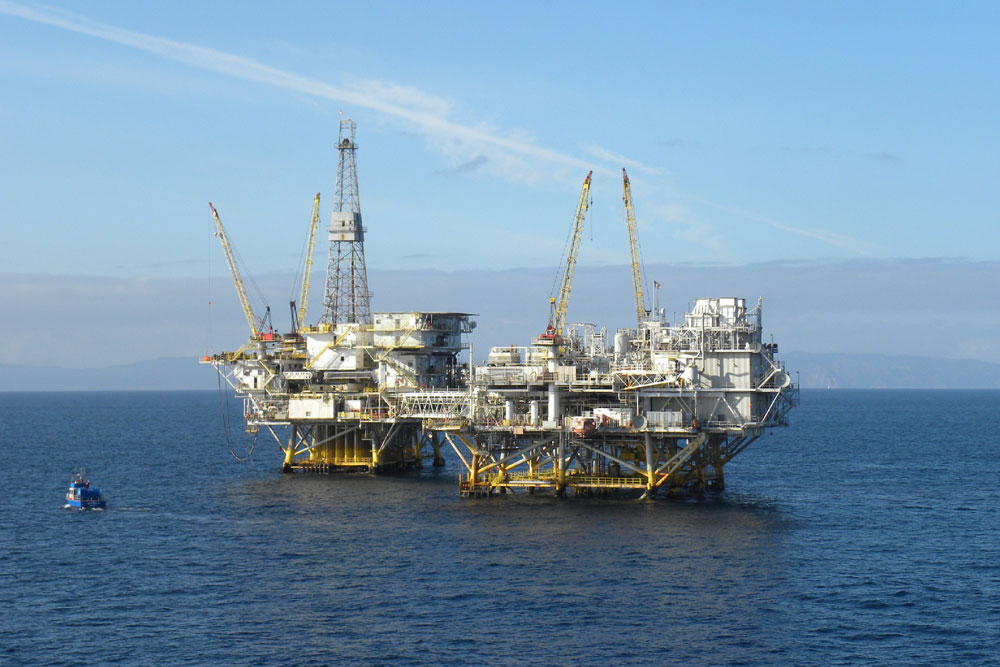
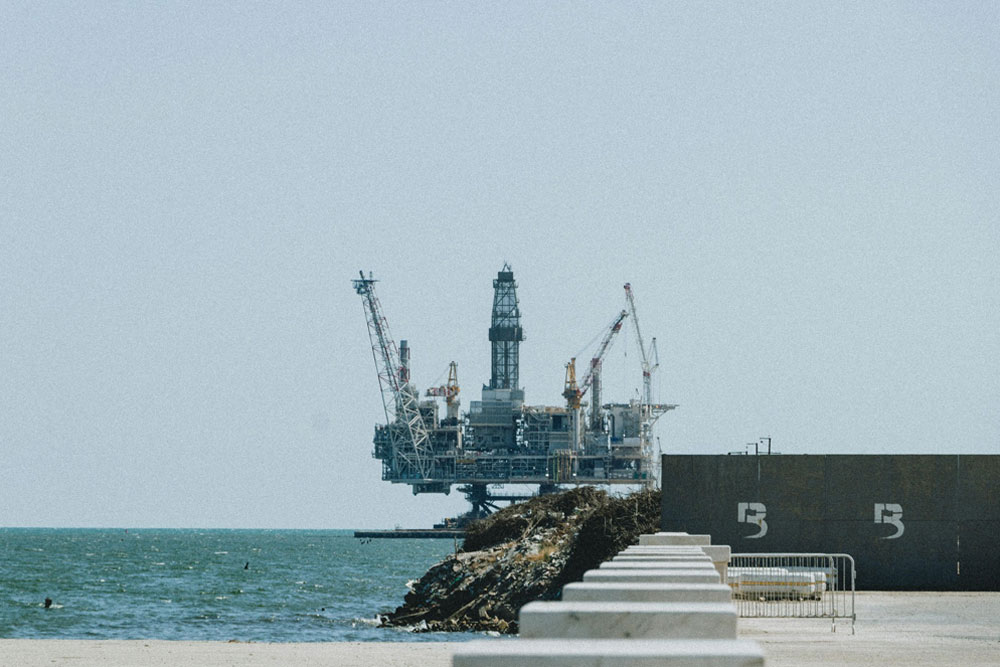
Fixed offshore platforms follow a different logic. Once built and commissioned, they typically remain in place for ten years or longer, without the option of centralized handling through relocation or overall transfer. Under this condition, the facility cannot rely on relocation for concentrated maintenance, nor can intensive front-end verification fully account for all uncertainties that may emerge during operation. Once the platform enters service, equipment is expected to run continuously on site, and shutdowns are usually directly tied to production, making them difficult to use as a routine means of restoring equipment condition.
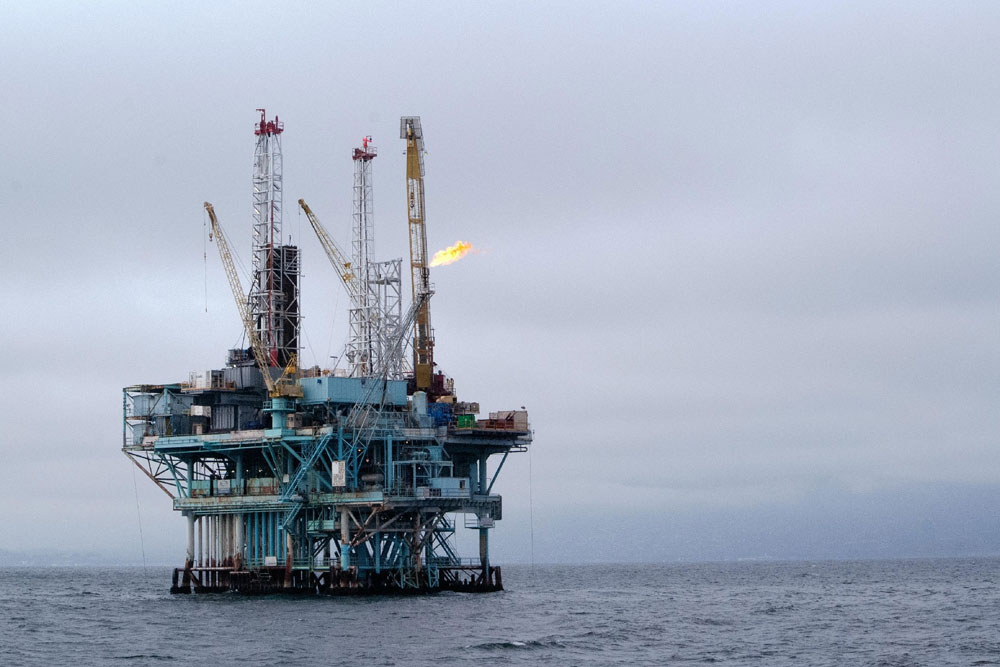
Under this operating model, the core challenge of long-term service lies in maintaining stable control of critical equipment under cumulative change. What these systems face is not primarily short-duration extreme events, but slow changes that build up over time. Their impact is often limited in the early stage, yet it continues to accumulate. These changes affect more than equipment condition itself. They also influence operating boundaries and control logic. As process conditions and equipment status continue to drift, the operating point gradually moves closer to performance limits, making the control system more sensitive to fluctuations. Changes that could once be absorbed through normal adjustment may later evolve into direct operating risk.
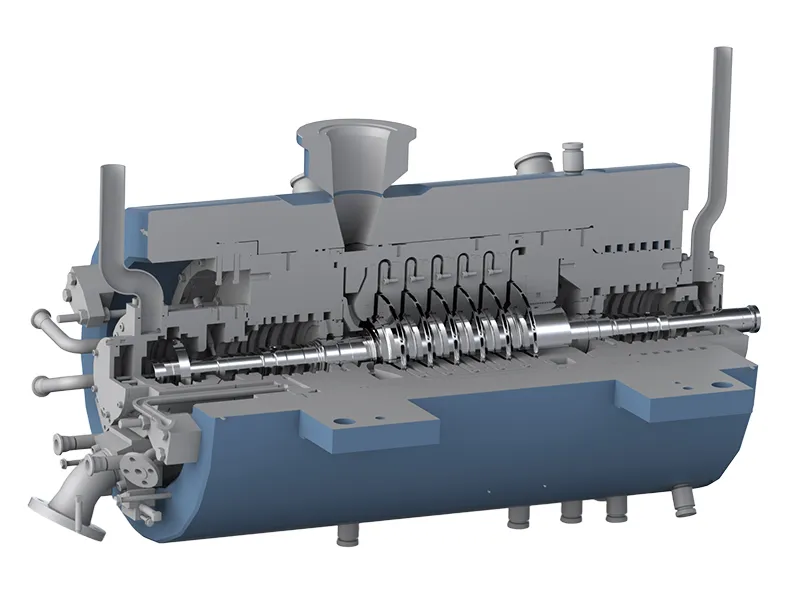
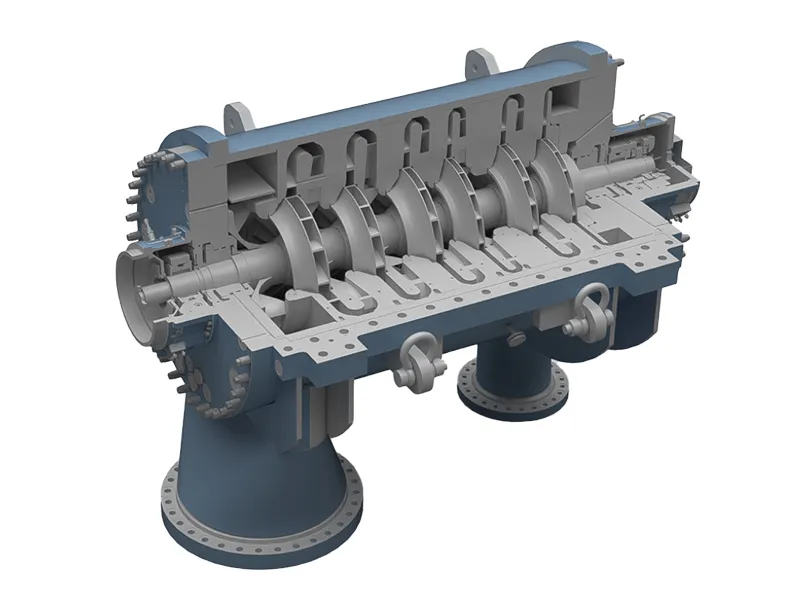
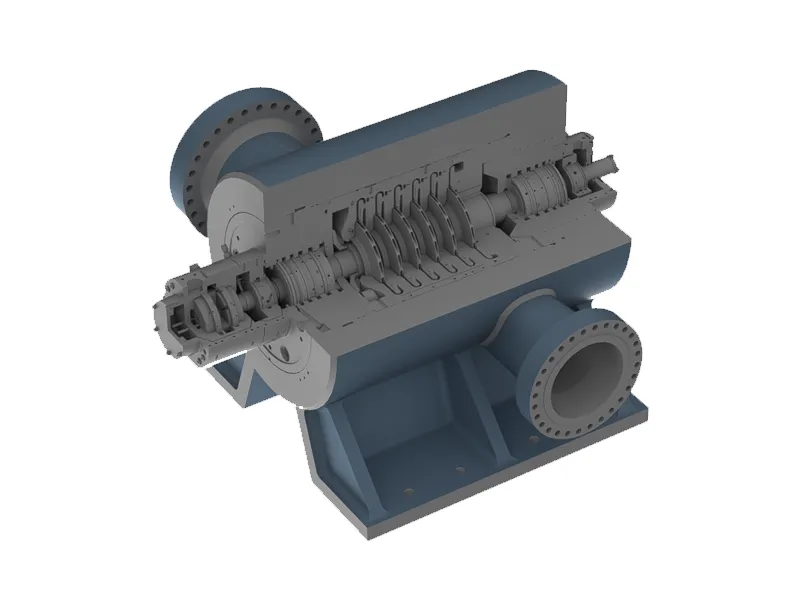
Within the topside system of a fixed offshore platform, the centrifugal compressor is a typical example of this pattern. After the platform enters stable production, the compressor is expected to carry process load continuously over an extended period. The longer it operates, the more changes in gas composition and process conditions combine with the machine’s own performance degradation, causing it to move away from its design point. Variations in sealing condition, internal clearances, and shaft-line condition further affect vibration behavior and operating stability. These changes usually do not appear in the form of sudden failure. More often, they show up as a gradual tightening of the operating envelope. The operating window narrows, the control system becomes more dependent on boundary conditions, and the machine’s operating margin declines under the combined effect of performance degradation and process variation. These phenomena usually emerge progressively during long-term operation and eventually affect the controllability of the overall system.
Because the room for adjustment during operation is limited, some constraints that would otherwise belong mainly to the maintenance stage have to be brought forward into equipment design and execution. In this context, engineering attention shifts away from performance at a single design point and toward stability and predictability over the full operating period.
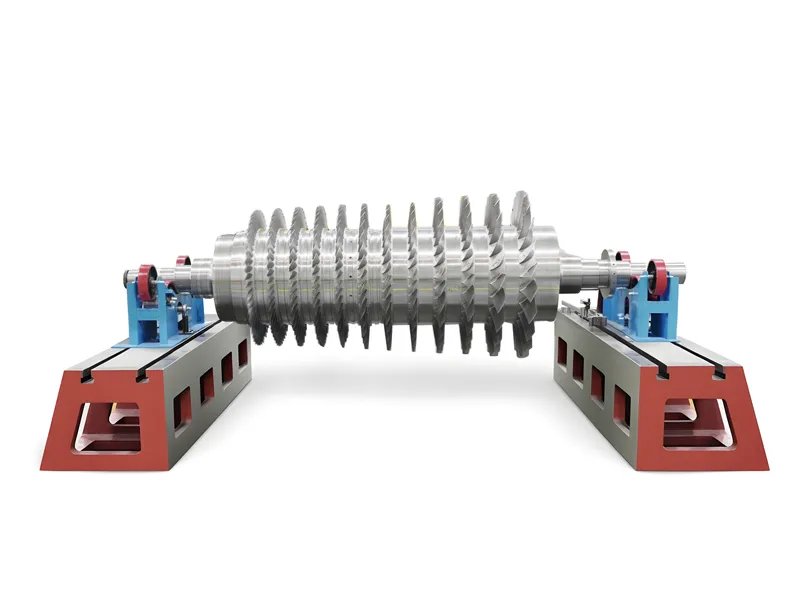
In materials and protection, long-term corrosion and environmental exposure in offshore service must be considered, with material systems selected to match the process medium and supported by appropriate surface protection measures. In structure and assembly, stricter control is required over rotor clearances, balancing quality, and overall assembly consistency, so that vibration and wear do not accumulate more rapidly over time. At the design level, sufficient operating margin must be reserved so that the compressor can remain within a controllable range even when process fluctuation and performance degradation occur simultaneously.
At the same time, operation and maintenance planning also needs to be defined early. On fixed offshore platforms, equipment condition can only be adjusted within limited shutdown windows. For that reason, overhaul arrangements, replacement paths for critical components, and maintenance strategies aligned with the production rhythm need to be clarified in advance. In this sense, long-term operation is no longer only a question of the machine itself. It is the result of coordinated consideration between design and maintenance.
From an engineering perspective, bringing operating and maintenance constraints forward into the design stage reflects a more mature systems mindset. It helps reduce uncertainty later in the project and supports more controllable and stable operation over a longer cycle. Looking ahead, QualRotate will continue to pay close attention to the real operating performance of centrifugal compressors in fixed offshore platform applications and incorporate these considerations into equipment selection and solution design. We also welcome exchanges around specific operating conditions to support more targeted engineering judgment.【Contact Us】

 CN
CN