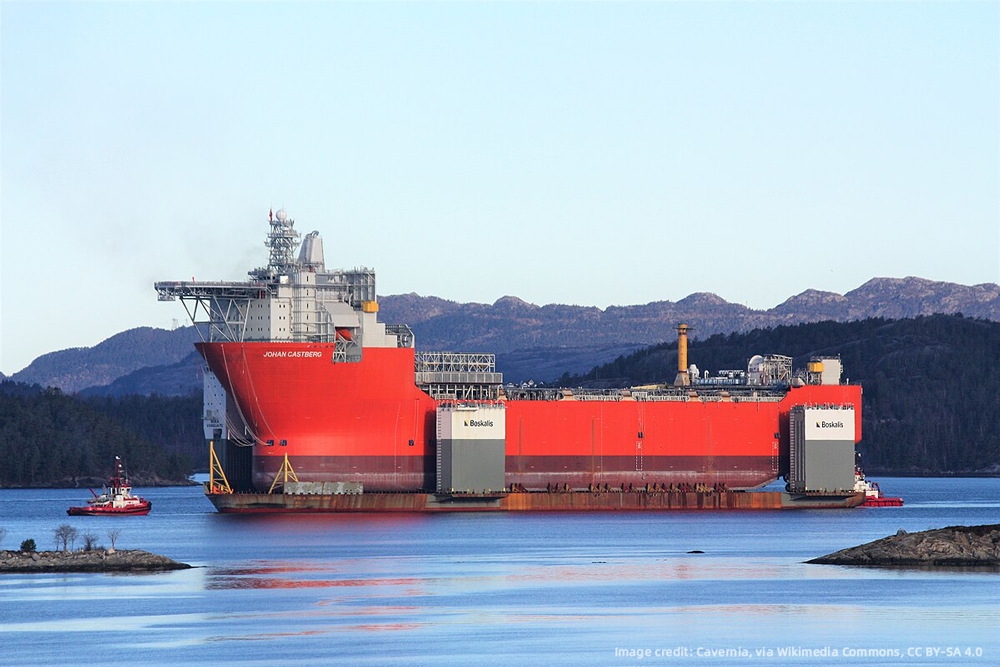
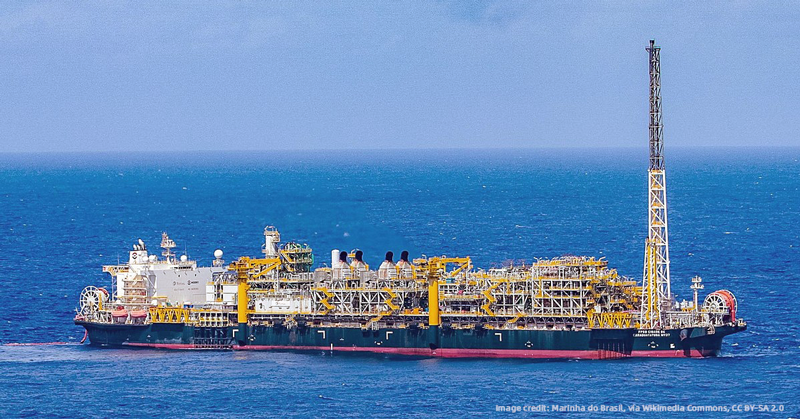
Floating Production Storage and Offloading units (FPSOs) are offshore oil and gas facilities that integrate production, processing, storage, and export functions into a single floating system. Unlike fixed offshore platforms, FPSOs are permanently moored at sea and remain in a floating state throughout their service life. Their production activities are therefore conducted against a background of controlled yet continuously present vessel motions.
Under this fundamental condition of floating operation, centrifugal compressors no longer face engineering challenges limited to a single process segment. Instead, they operate as critical nodes within multiple gas processing paths and the overall production rhythm, under combined constraints of dynamic motion, modular layout, and constrained maintenance conditions. As a result, their design and operating boundaries are shaped not only by process requirements, but by the specific operational characteristics of the FPSO itself.
1. Dynamic Operation: Operating Constraints on Centrifugal Compressors
As a floating production system, an FPSO does not operate on a completely static structural foundation. Even under normal sea conditions, the vessel experiences multi-degree-of-freedom motions such as pitch, roll, heave, and yaw. While the amplitudes of these motions typically remain within defined design limits, their long-term and cumulative nature makes them a persistent operational background that cannot be ignored in assessments of long-term operating margins and system behavior evolution.
Unlike transient extreme conditions, these dynamic characteristics do not directly alter process setpoints or control objectives. Instead, they act through structural transmission paths, continuously influencing foundation loads, alignment conditions, and relative equipment geometry. Such effects often manifest in a gradual and cumulative manner. In the short term, they may not immediately trigger alarms or operating limit violations. Over extended operating periods, however, they can gradually appear as shifts in shaft load distribution, changes in vibration response characteristics, or a narrowing of available operating margins.
Against this background, centrifugal compressors on FPSOs must transition from the assumption of stable operation on an ideal static foundation to maintaining acceptable performance under continuous dynamic disturbances. Consequently, rotor dynamic stability, structural and operating margins, and adaptability to dynamic operating backgrounds are typically incorporated into the design and evaluation focus at an early stage in FPSO projects, rather than being treated solely as checks during the operational phase.
2. Continuous Production: The System Position of Compressors in the Process Flow
Within FPSO process configurations, centrifugal compressors are commonly located in the midstream section between separation and export. They neither serve the wellhead directly nor act as the final export unit. Instead, they occupy an intermediate position within the gas processing chain, fulfilling a bridging role that links upstream and downstream systems.
In typical configurations, upstream units include multi-stage separators, dehydration, or gas conditioning systems, while downstream connections lead to fuel gas systems, gas reinjection systems, or subsequent compression stages. This positioning means that the compressor cannot operate under a single stable condition. Rather, it is continuously exposed to inlet parameter fluctuations caused by upstream process variations.
From an operational perspective, FPSO compressors primarily operate in continuous production mode rather than during startup or short-cycle operation. Their design objective is not frequent start-stop behavior or wide-range regulation, but the buffering and moderation of associated gas flow and pressure variations over extended production periods. In FPSO configurations where gas reinjection, fuel gas, and multiple gas utilization paths coexist, the compressor’s function within the process more closely resembles that of a central regulating element rather than a simple pressure-boosting device.
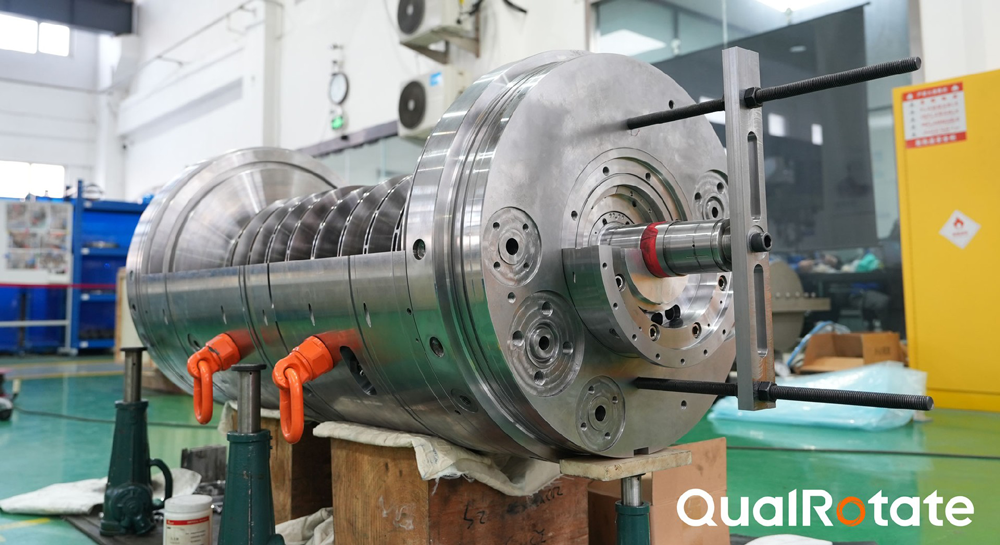
This intermediate system position gives rise to distinctly combined operating characteristics. On the inlet side, conditions fluctuate with changes in well production rates, gas-oil ratios, and separation efficiency. On the outlet side, the compressor often feeds multiple gas consumers simultaneously, each imposing demands on pressure stability and flow continuity. The compressor must therefore remain controllable under the dual constraints of inlet instability and outlet restriction. This is the fundamental reason why compressor stability requirements are repeatedly emphasized in FPSO applications.
At the system level, the importance of this position lies in the fact that the compressor does not directly determine the operability of a single process unit. Instead, it significantly influences the coordination and flexibility of multiple process paths. When compressor operation approaches stability limits or regulatory capability becomes constrained, the first impact is typically a reduction in overall system adjustment margin rather than an immediate failure of a specific process segment. Accordingly, its engineering value is better reflected in its ability to support continuous production rhythms than in meeting performance at a single design point.
3. Modular Operation: Integration of Centrifugal Compressors
In FPSO projects, modularization is not merely a construction strategy. It is an engineering premise that extends throughout design, fabrication, and operation. Topsides modules are fully integrated onshore and installed as complete units through limited lifting windows, a construction approach that significantly restricts design flexibility in terms of equipment layout, interfaces, and system segmentation.
From the perspective of engineering constraints, modular operation is first governed by weight and center-of-gravity control. The weight, vertical center of gravity, and deck distribution of individual modules directly affect vessel stability and long-term operational safety. As a result, compressors and their auxiliary systems cannot be expanded or dispersed without limitation. Instead, they must remain compact and centralized in terms of structure, piping, and accessory configuration.
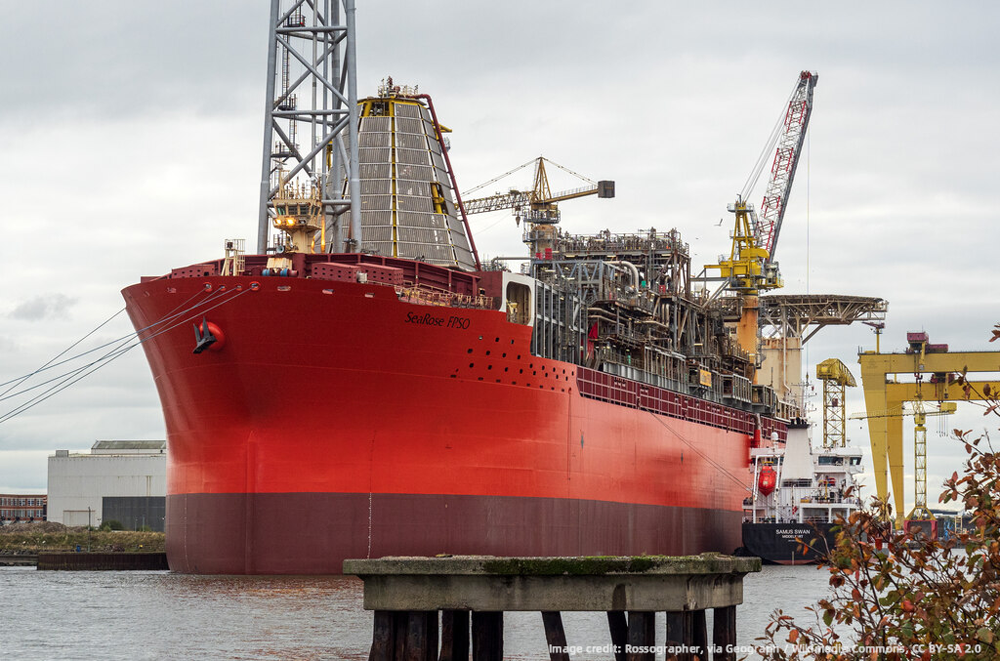
In addition, module boundaries and lifting capacities further constrain equipment envelope dimensions and configuration options. Module size is typically restricted by shipyard facilities, quayside logistics, and lifting equipment capabilities. Compressor skid designs must therefore adapt to predefined module boundaries rather than requiring modules to be adjusted around the equipment. In practical engineering terms, these constraints lead to a significantly higher level of system integration. Lubrication oil systems, seal gas systems, cooling units, and electrical and control cabinets are no longer arranged as dispersed subsystems. Instead, they are integrated around the main compressor into a highly unified skid-mounted package. Onsite piping is minimized, and interface definitions are finalized onshore to reduce uncertainty during offshore installation and commissioning.
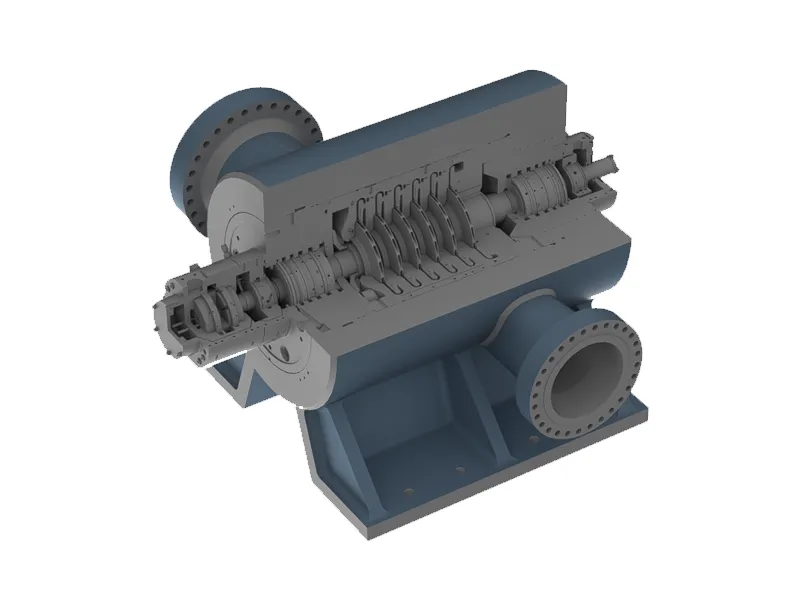
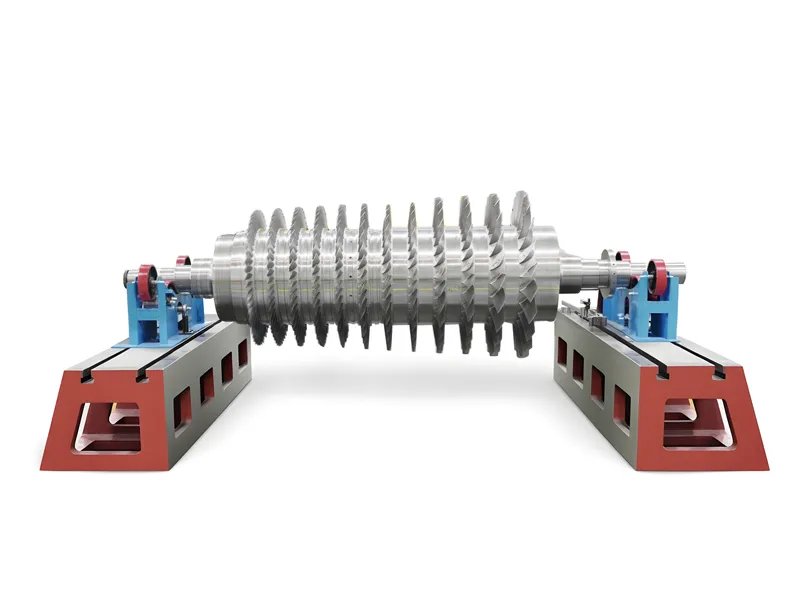
Such integration does not pursue integration as an end in itself. Rather, within the constraints of module boundaries, priority is given to ensuring liftability, connectability, and operability. Under these conditions, differences in the suitability of compressor types for FPSO applications become more evident. Centrifugal compressors with mature structures, compact rotor arrangements, and clear auxiliary system interfaces are more likely to form stable modular solutions. At the same time, they impose higher requirements on skid-level maintenance space management and future adjustment strategies. By contrast, solutions with high dependence on external systems, dispersed interfaces, or sensitivity to onsite adjustment typically incur higher integration costs and risks in FPSO environments.
It should be emphasized that such perceived “equipment advantages” do not represent absolute judgments. Rather, they reflect engineering tendencies under modular operating conditions. The core consideration is not peak performance, but whether the equipment can form a structurally controlled, interface-clear, and operationally predictable system within predefined module boundaries.
4. FPSO Operations and Maintenance: Design Orientation of Centrifugal Compressors
Among offshore oil and gas facilities, FPSOs are not necessarily the most difficult to maintain. However, they are often the least suitable for frequent maintenance interventions. This characteristic does not stem from a single technical factor, but from the combined roles FPSOs play within the production system. Compared with fixed platforms or FLNG facilities, FPSOs simultaneously undertake production, storage, and export functions, tightly coupling equipment operation with overall production rhythm, inventory management, and export scheduling.
On fixed platforms, maintenance activities can more readily be treated as planned engineering events. Equipment shutdowns tend to have relatively localized impacts, and maintenance decisions primarily focus on work organization and resource coordination. FLNG projects, by contrast, typically incorporate periodic full-plant shutdowns into their overall process design logic, accepting scheduled production interruptions in exchange for comprehensive system restoration. FPSOs, however, more often face a maintenance reality in which shutdowns are technically feasible, but their system-wide impacts are highly concentrated. Equipment downtime affects not only current production, but can also disrupt storage cycles and export windows, amplifying both engineering and economic consequences.
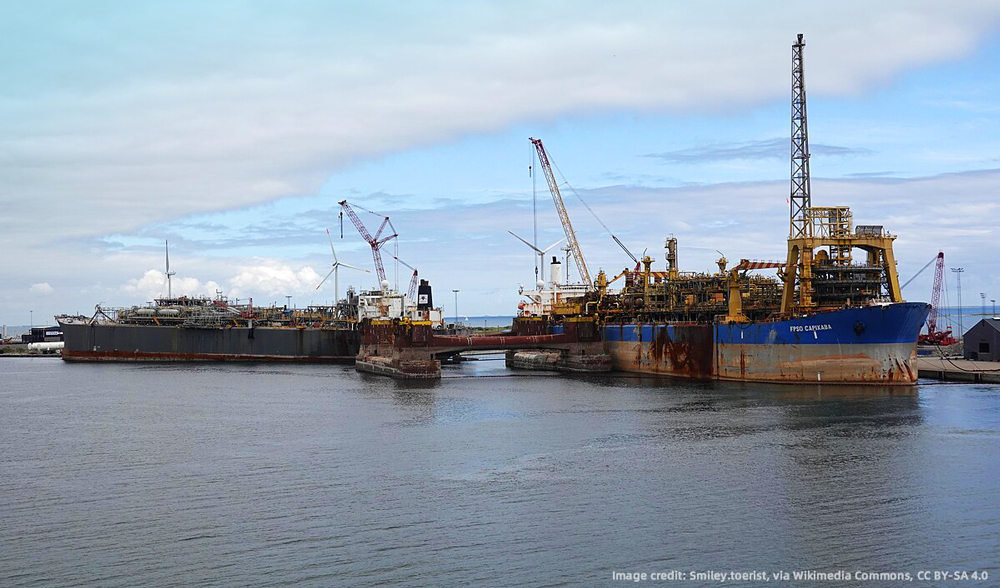
Under these operating realities, FPSOs more frequently encounter the challenge of sustaining acceptable operation under non-shutdown or limited-intervention conditions, rather than completing rapid maintenance activities. Operational issues are often managed through condition adjustments, load management, or operational strategy modifications to defer corrective actions, rather than triggering immediate structural intervention. This leads to an operational philosophy that emphasizes “managing issues during continuous operation” rather than “repair upon occurrence.”
This operational orientation directly influences the engineering design of centrifugal compressors. Compared with equipment concepts that rely on frequent maintenance to preserve performance, FPSO projects tend to favor compressor designs that exhibit predictable behavior during performance degradation. Greater emphasis is placed on operating margins, stable operating envelopes, and long-term behavioral consistency, rather than pursuing maximum efficiency at nominal design points. The core objective is not to eliminate maintenance, but to defer its necessity and align it with more controllable time windows.
In practice, this orientation is reflected in a preference for mature structural designs and a strong emphasis on operational stability and condition monitoring capability. By using online monitoring to capture trend information, operating states can be identified before approaching critical risk thresholds, thereby allowing maintenance decisions additional lead time. These design choices are not merely about maintenance convenience. They represent a systematic engineering response to the operational realities of FPSOs.
From this perspective, FPSO requirements for centrifugal compressors are less about rapid maintenance capability and more about the ability to sustain manageable and predictable operation under constrained intervention conditions. It is within this specific operational context that the design orientation of centrifugal compressors diverges from those applied on fixed platforms and FLNG facilities.
5. Engineering Orientation Derived from the Operating System
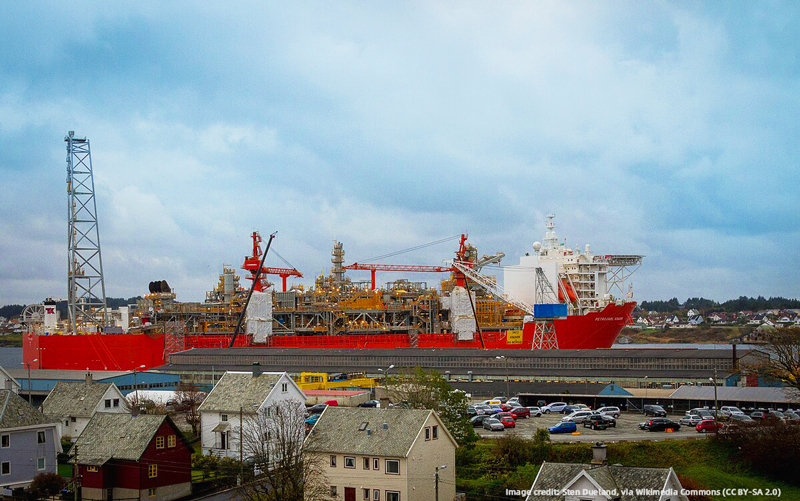
In summary, the engineering orientation of centrifugal compressors in FPSO applications arises from the combined constraints of multiple operating conditions. Floating operation alters static assumptions. Continuous production amplifies the importance of system position. Modular construction limits integration approaches. Restricted maintenance strengthens the demand for predictable long-term behavior. The resulting design orientation does not pursue extreme performance, but instead prioritizes stability, manageability, and long-term operational consistency.
Looking ahead, QualRotate【Contact US】 will continue to observe how these FPSO-driven engineering constraints manifest in actual project execution, and will incorporate such considerations into equipment selection and solution development. We also welcome technical exchange based on specific operating conditions, in order to form more targeted and context-aware engineering judgments.

 CN
CN