The operation of offshore oil and gas facilities must maintain long-term stability under conditions characterized by high humidity, salt spray, strong environmental disturbances, and severe space constraints. These factors not only redefine the operating boundaries of equipment, but also make the entire process chain far more sensitive to continuity and energy transmission.
Within this system, compressors span nearly all critical gas-handling processes and therefore most directly reflect the fundamental differences between offshore and onshore environments. They function not only as the driving force of gas-processing chains, but also as key nodes that determine whether multiple process stages can be smoothly integrated. Understanding the common requirements imposed by offshore environments on compressors thus provides a fundamental entry point for comprehending offshore production systems as a whole.
1. Environmental Characteristics of Offshore Oil and Gas Development
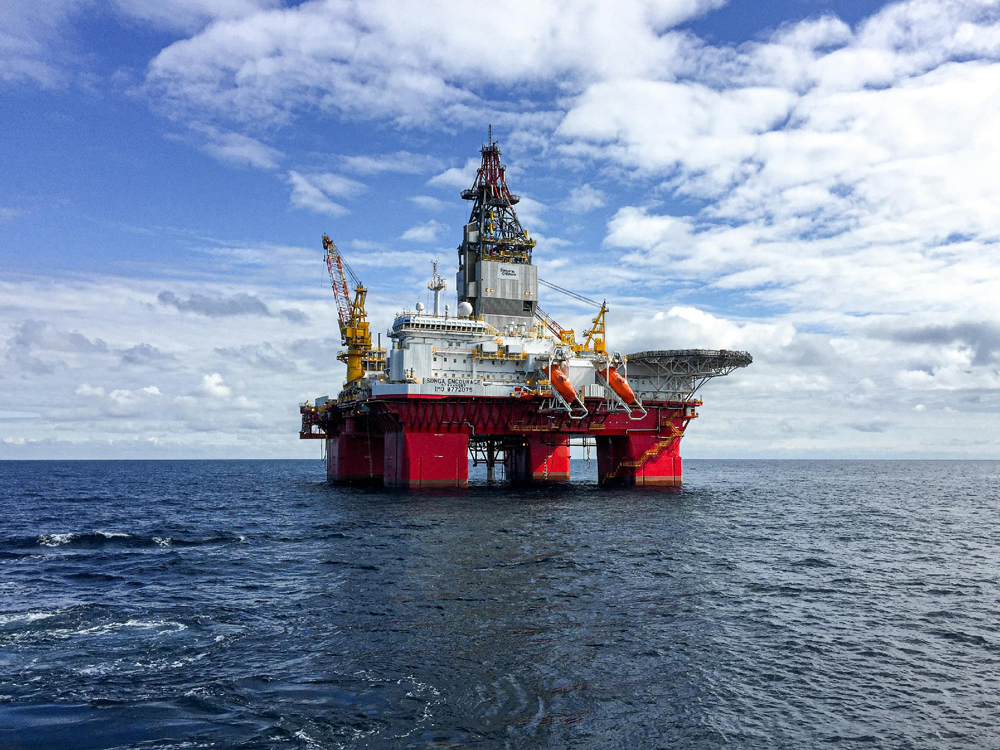
If onshore petrochemical plants can be regarded as operating in a “controlled factory environment,” offshore oil and gas production more closely resembles industrial operation sustained within a continuously changing natural field. The primary challenge for offshore equipment is often not process complexity, but the a priori environmental stress imposed by the marine setting itself.
Offshore atmospheres are persistently characterized by high humidity, high salinity, and strong corrosiveness. Metal surfaces, connectors, sensors, cables, and protective coatings are continuously exposed to salt-laden aerosols. This level of corrosion far exceeds that of typical onshore facilities and has a sustained impact on equipment lifetime and operational stability.
In parallel, the uncertainty of sea conditions introduces additional background disturbances. Wind and waves cause platform inclination and vibration; diurnal temperature variations and rainfall accelerate material fatigue; and structural vibrations of decks are transmitted to equipment foundations. These factors may not directly cause process upsets, but they accumulate over long-term operation as latent loads.
Although different types of offshore installations—ranging from fixed platforms (such as jacket platforms and GBS) to floating facilities (FPSO, FPU, FLNG)—differ significantly in scale and structure, their core process equipment is typically subject to similar constraints: compact layout, strict weight control, limited maintenance conditions, and installation windows heavily influenced by weather.

2. The Role of Compressors in Offshore Process Systems
Offshore oil and gas production constitutes a highly continuous system of energy and material transformation, within which compressors play essential roles across multiple key process segments:
● Associated Gas Compression
Associated gas produced at the wellhead often lacks sufficient pressure to enter downstream processing units directly. Compression is required before dehydration, separation, conditioning, or fuel-gas utilization. This stage effectively defines the inlet pressure conditions for the entire production chain.
● Fuel Gas / Process Gas Compression
Heaters, power-generation units, and certain process modules on offshore facilities depend on stable gas supplies. Compressors establish and maintain continuous gas pressure, enabling stable platform operation.
● Gas Reinjection
In enhanced oil recovery (EOR) schemes, large volumes of gas must be reinjected into reservoirs to maintain formation pressure. This application typically requires high flow rates and long continuous operating cycles, representing one of the heaviest load conditions for offshore compressors.
● Refrigerant Compression (FLNG Liquefaction Stage)
In LNG facilities, compressors drive refrigerant circulation and constitute the core of liquefaction and condensation processes, serving functions distinct from those in upstream gas pretreatment.
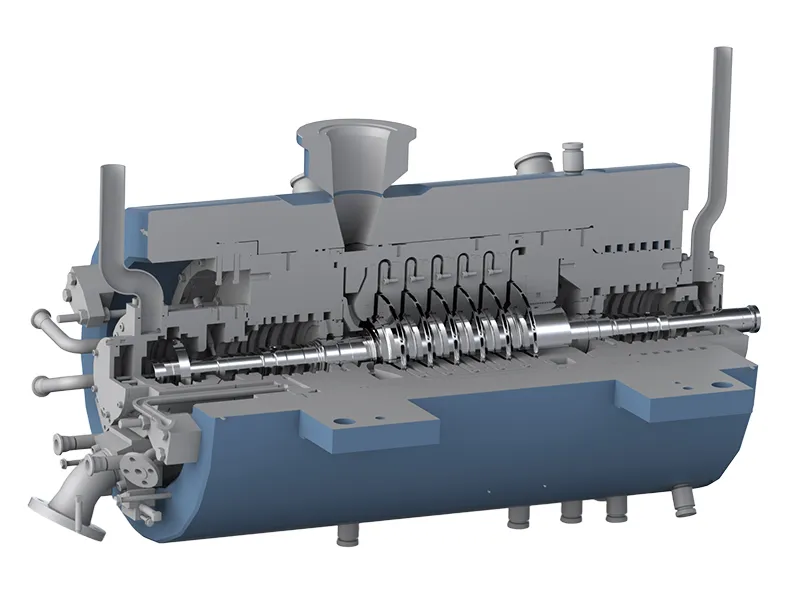
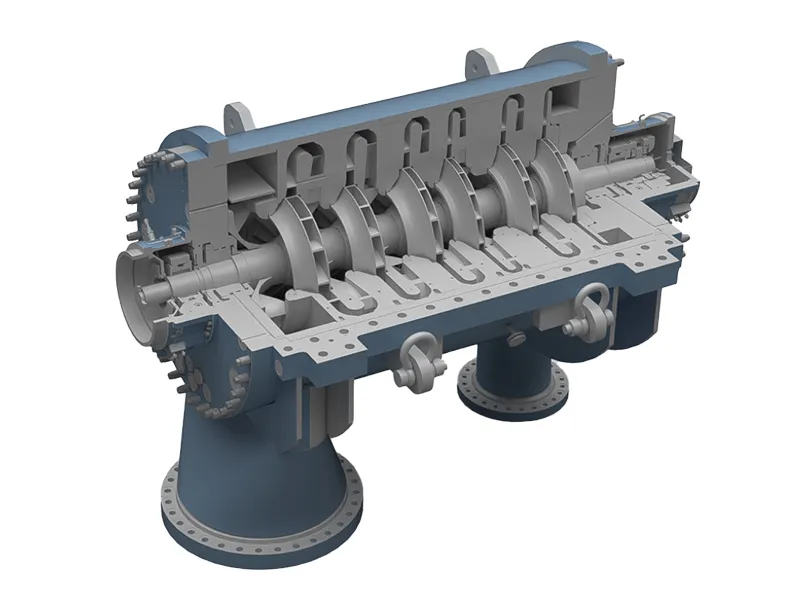
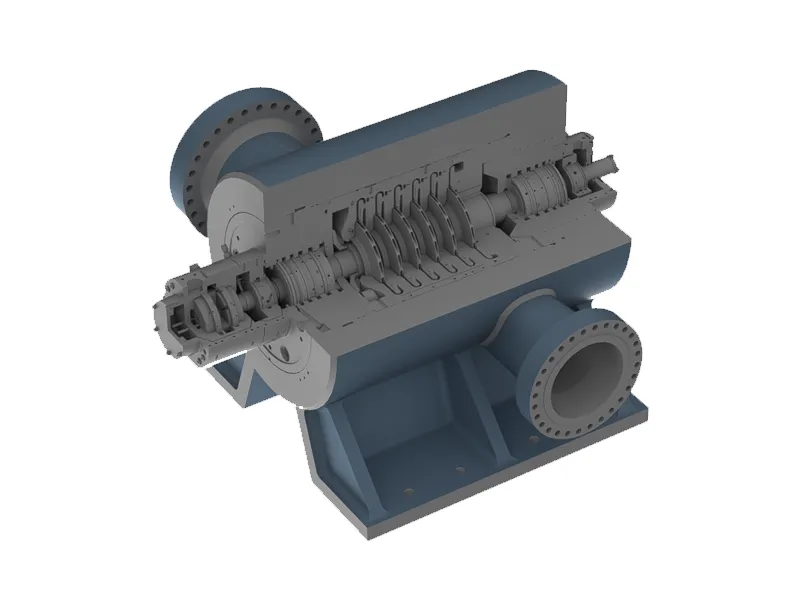
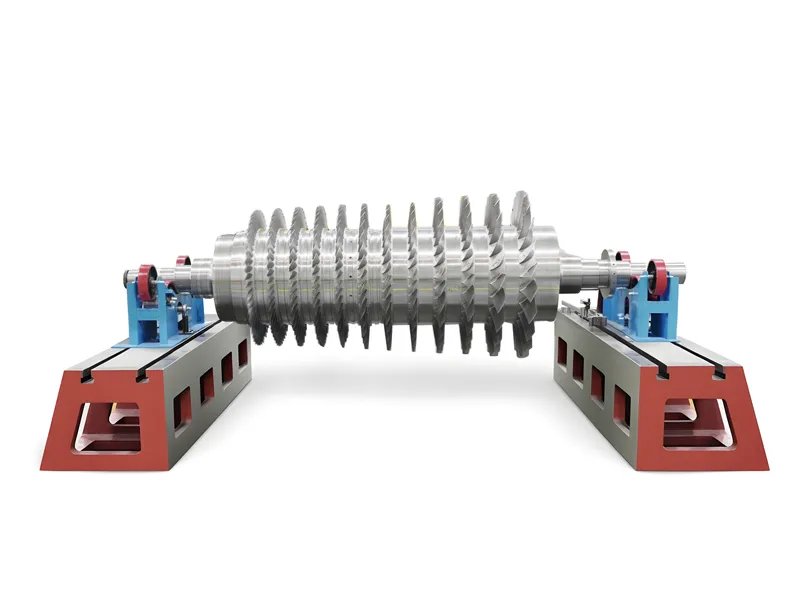
Across these scenarios, process characteristics generally favor high flow rates, long operating cycles, and sensitivity to pressure pulsations. As a result, centrifugal compressors—offering high capacity, continuous flow, low pulsation, and wide operating envelopes—have become the dominant choice in most offshore projects.
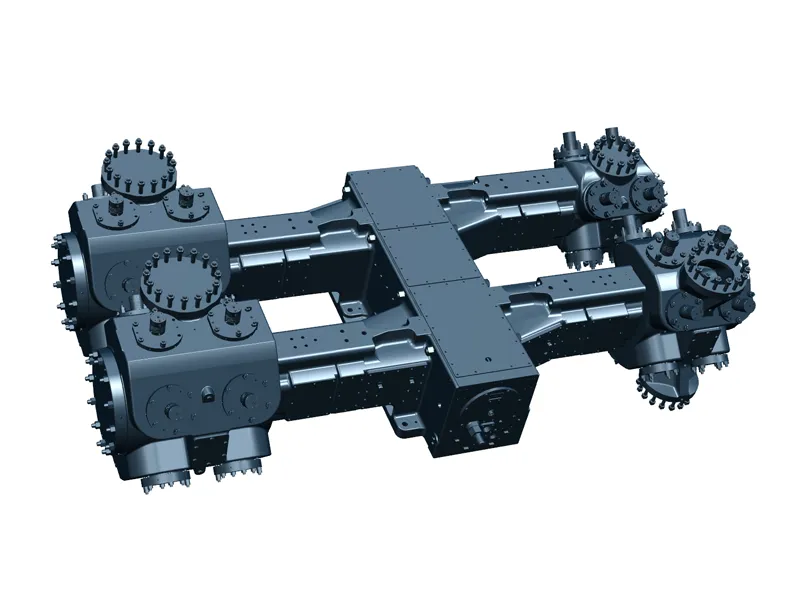
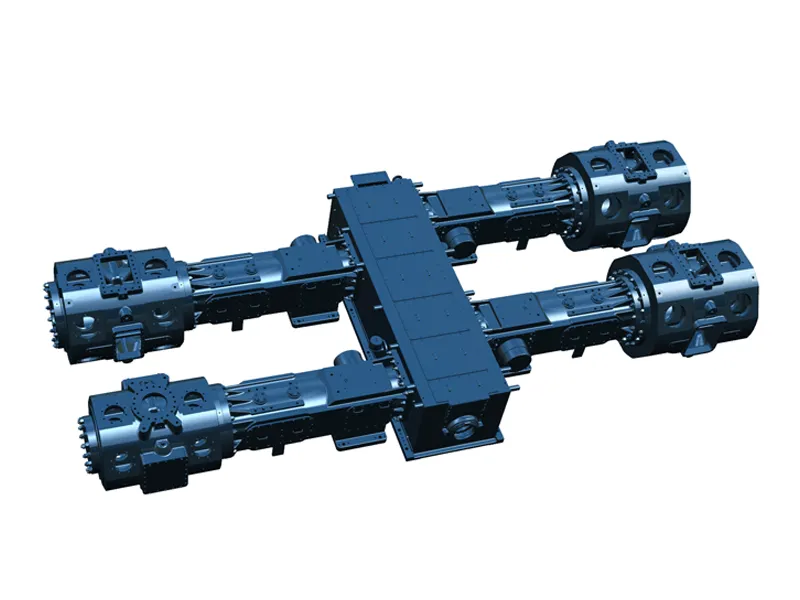
However, in certain specific cases involving small flow rates, extremely high pressures, or intermittent operation (such as some nearshore or small-scale platforms), reciprocating or screw compressors may still be more appropriate. In other words, centrifugal compressors are not the only technical route, but they exhibit a clear advantage within the primary offshore process chains due to their overall compatibility with continuous production systems.
3. Common Challenges in Offshore Environments
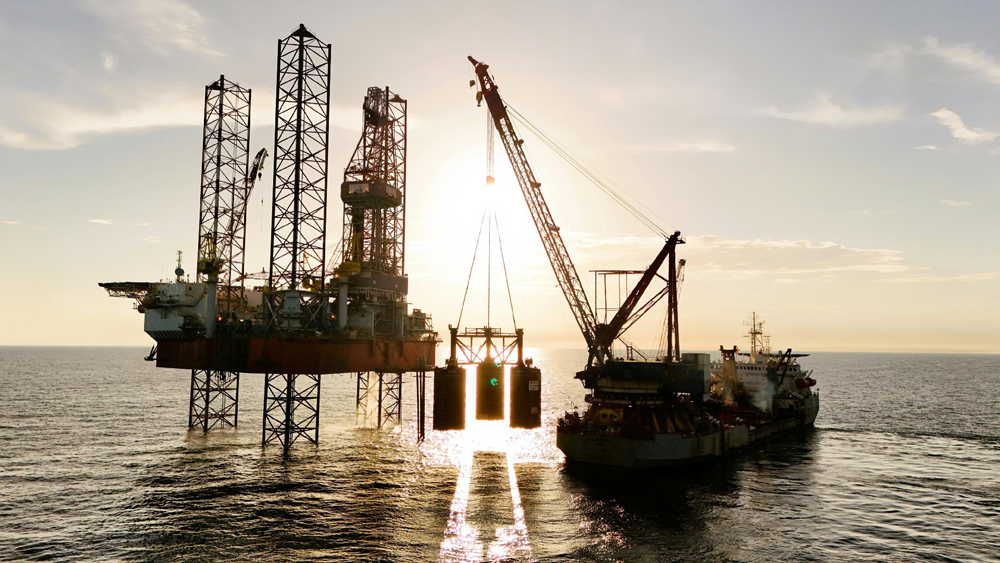
The complexity of offshore scenarios requires centrifugal compressors not only to meet process demands, but also to operate reliably over long periods under harsh environmental conditions. Key challenges include:
● Continuous Corrosion Pressure from High Salinity and Humidity
Metal components, fasteners, instrument enclosures, and electrical terminals are persistently exposed to salt spray and moisture. Any inadequacy in protective measures can lead to accelerated corrosion rates far exceeding those onshore, with localized degradation potentially evolving into system-level reliability risks.
● Severely Limited Space Requiring Compact and Integrated Designs
Modular layouts on FPSOs and FLNGs require compressors to be arranged together with drivers, cooling systems, and control modules within highly constrained footprints. Load limitations on older platforms further reinforce the need for compact skid designs and weight reduction.
● Extensive Hazardous Area Coverage with Zonal Differentiation
Fluctuating hydrocarbon concentrations classify large portions of offshore facilities as hazardous areas. Motors, instruments, valves, and control panels in these zones must comply with IECEx, ATEX, or classification society requirements, while equipment in non-hazardous areas may be configured more flexibly.
● Latent Structural and Operational Disturbances from Sea Dynamics
Platform inclination, deck vibration, and structural deflection can affect foundation stability, requiring compressors to maintain smooth operation under continuously fluctuating conditions.
● Limited Maintenance Opportunities and High Lifecycle Costs
Deepwater and floating facilities offer narrow maintenance windows, making extended service intervals essential. Nearshore platforms may allow slightly more flexibility depending on accessibility.
4. Core Compressor Capabilities Shaped by Offshore Challenges
The environmental characteristics described above translate into a clear set of capability requirements for compressors in real operation. These requirements do not stem from optional enhancements, but from the combined effects of spatial constraints, corrosive exposure, limited maintenance conditions, and strong dependence on process continuity. In essence, offshore operating characteristics inherently define the adaptability compressors must possess to support system stability.
● High Reliability and Long-Term Continuous Operation
Offshore environments introduce multiple disturbance sources, including load fluctuations, temperature variations, platform inclination, and foundation vibration. Compressors must maintain stable operating conditions under these influences, avoiding chain-wide instability triggered by localized degradation or transient disturbances.
Reliability in offshore applications is not a single metric, but a sustained operational capability formed through structural strength, thermal stability, rotor dynamic integrity, auxiliary system durability, and control strategies. Its core objective is to ensure uninterrupted energy delivery despite internal condition changes, environmental disturbances, or load imbalances, thereby stabilizing the entire gas-processing chain.
● End-to-End Corrosion Resistance and Environmental Adaptability
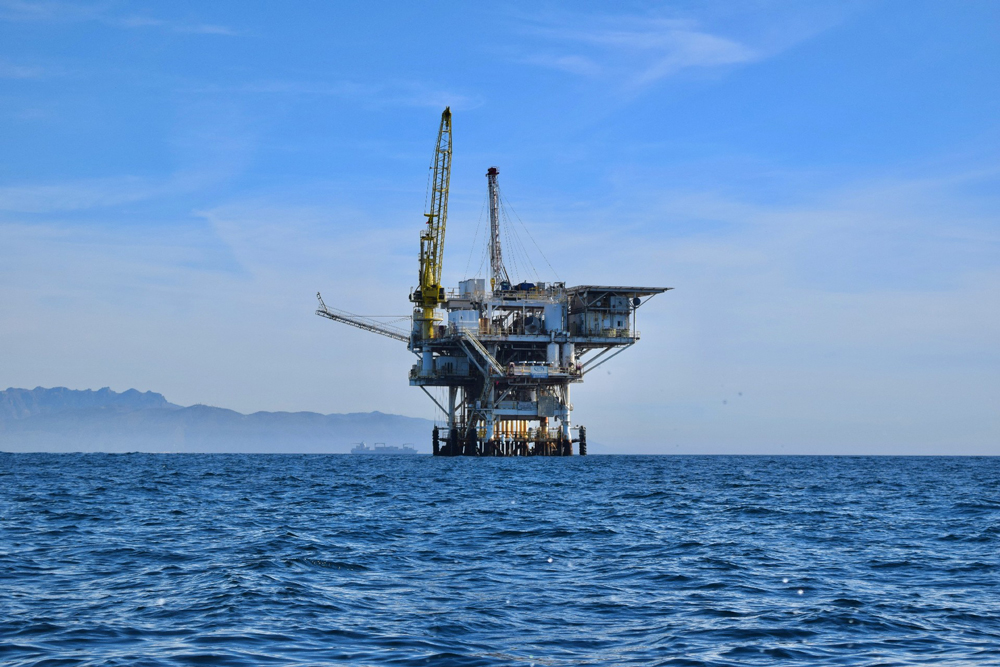
Corrosion in offshore environments is continuous, diffusive, and multi-interface in nature. Salt spray, humidity, and temperature variations do not act on isolated components, but propagate along housings, fasteners, sealing interfaces, sensors, and accessories, forming continuous aging pathways.
Accordingly, compressors must possess chain-level environmental adaptability rather than localized reinforcement. Material selection, coating systems, interface sealing, shaft seal durability, and electrical protection ratings must work synergistically under real marine conditions, ensuring that performance degradation remains controlled, uniform, and predictable. Offshore corrosion protection ultimately aims to preserve long-term structural and functional integrity under persistent environmental stress.
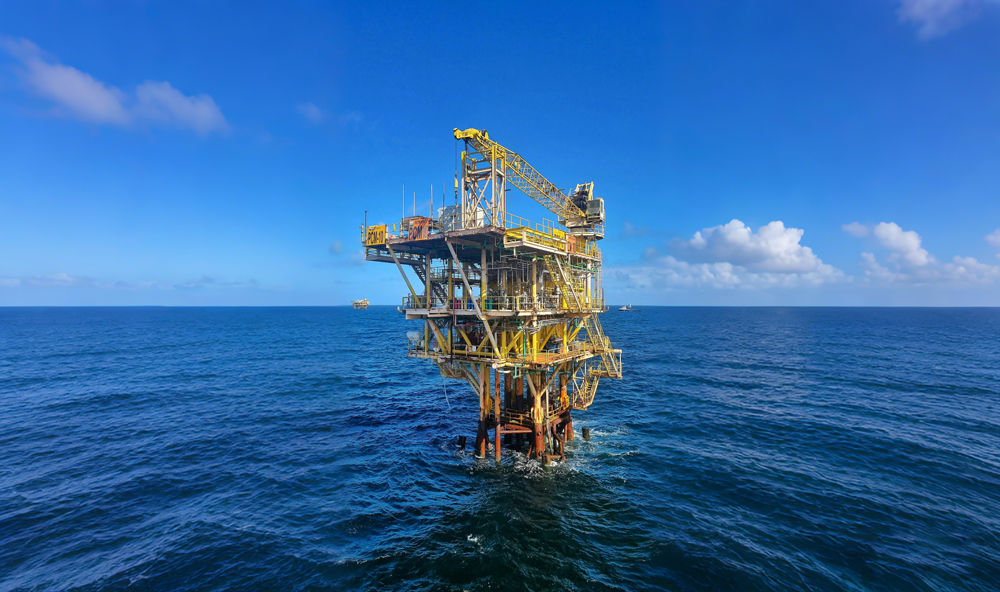
● Compact and Modular System Integration Capability
Offshore layout constraints extend beyond limited footprint; they represent a three-dimensional restriction shaped by space availability, load limits, lifting paths, and module boundaries. Compressors must achieve efficient integration within these limits: drivers, lubrication systems, cooling units, and electrical and control modules must be arranged around a unified structure that supports skidding, lifting, and installation while maintaining adequate maintenance access.
The essence of integration lies not in simply reducing size, but in forming an installable, operable, and maintainable standalone system suited to real offshore layouts, thereby reducing construction complexity and long-term maintenance risks.
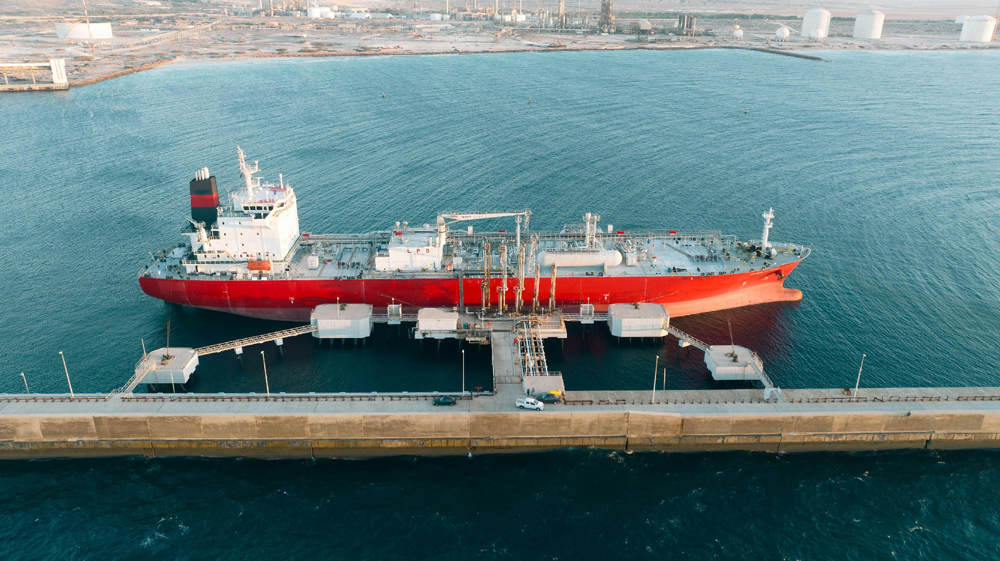
● Adaptability to Project Specifications and Explosion Protection Requirements
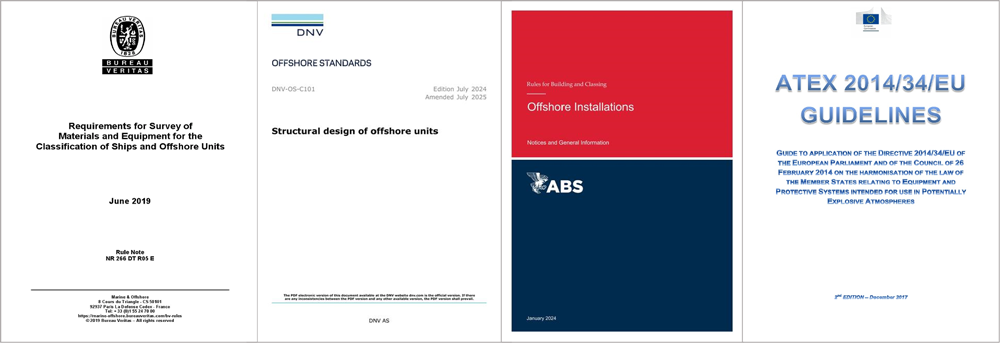
There is no single unified standard governing offshore equipment. Applicable requirements are jointly determined by classification society rules, regional regulations, and owner-specific specifications.
Compliance is therefore not merely about obtaining certifications, but about ensuring that compressors can pass site acceptance, satisfy regional access conditions, meet safety classifications, and provide long-term operational confidence to operators. This represents engineering-system-level adaptability, rather than document-based compliance alone.
● Maintenance-Friendly and Predictable Operational Design
The defining characteristic of offshore maintenance is not technical difficulty, but inherent operational constraints: maintenance windows are strictly limited by weather, logistics, and personnel availability, and resources cannot be mobilized as flexibly as onshore.
Under such conditions, compressors must be manageable within constrained environments. Structural layouts should facilitate access and operation; condition monitoring systems should provide trend-based insights rather than mere alarms; and modular disassembly designs should minimize onsite workload, enabling maintenance tasks to be completed within limited opportunities.
While predictability and manageability are not exclusive to offshore equipment, their priority is significantly elevated in offshore scenarios, becoming essential to long-term continuous operation.
5. A Holistic Understanding of Compressor Value in Offshore Scenarios
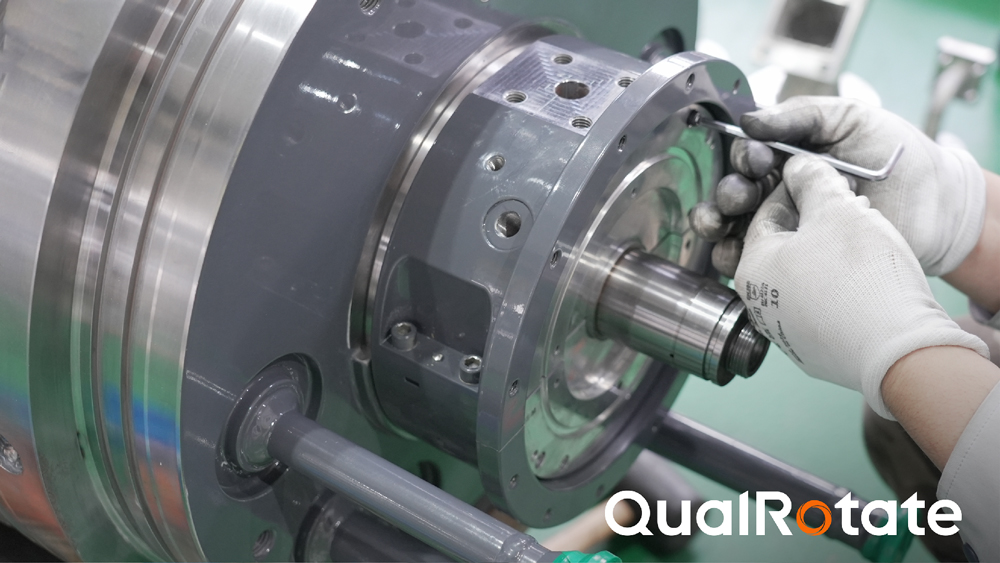
The difficulty of offshore operations extends far beyond intuitive impressions of harsh seas and strong winds. It arises from the compounded constraints of severe operating conditions, restricted layouts, and high lifecycle costs. In such environments, no critical equipment functions as an isolated unit; instead, each is embedded within a tightly coupled process chain and engineering system.
Consequently, the role of centrifugal compressors extends well beyond the basic function of “providing pressure differential.” They sustain the continuous progression of energy and material flows and serve as central nodes that determine whether multiple process stages can operate steadily and coherently.
Against the offshore backdrop of heightened sensitivity to continuity, smoothness, and long-term operation, the inherent characteristics of centrifugal compressors—high flow capacity, low pulsation, ease of integration, and compact layout—are fully realized.
In subsequent sections, we will further explore the differences in operating conditions and equipment selection priorities among fixed platforms, FPSOs, and FLNGs, making the logic of offshore equipment selection clearer and more tangible.
For further discussion on offshore compressor selection and system-level engineering considerations, please contact us. 【Contact Us】

 CN
CN